

As Hippocrates once hinted at the perils of bodily imbalances, you might find yourself facing the modern challenge of حصوات المرارةحيث استئصال المرارة بالمنظار emerges as a pivotal solution. This minimally invasive surgery, introduced in India in 1990, employs small incisions to remove the gallbladder, often under general anesthesia. Experts note its معدل نجاح 95%, yet debates linger on long-term effects. Ponder the implications as you explore this transformative procedure further.
الوجبات الرئيسية
- Laparoscopic cholecystectomy is a minimally invasive surgery to remove the gallbladder, treating gallstones and related conditions.
- It involves small incisions, reducing pain and enabling quicker recovery compared to open surgery.
- The procedure typically takes one hour, with a hospital stay of 1-2 days.
- Success rates exceed 95%, with minimal scarring and low complication risks like infections.
- Recovery time is about two weeks, allowing a return to normal activities soon after.
Precision, a hallmark of modern surgical innovation, defines استئصال المرارة بالمنظار, a إجراء جراحي طفيف التوغل that has revolutionized gallbladder removal since its introduction. As you navigate the landscape of surgical options for gallbladder issues, you’ll find that this technique, which involves small abdominal incisions, offers a transformative approach compared to traditional methods. Since its first performance in India at JJ Hospital, Mumbai, in 1990, this method has shifted the paradigm from the once-standard open cholecystectomy to a بديل أقل توغلاً, minimizing trauma to your body while achieving the same critical outcome of gallbladder removal. Today, as you consider this option, you’re joining countless patients who’ve benefited from a procedure that prioritizes الدقة and reduced recovery time. This procedure is often recommended for conditions like gallstones or inflammation, providing effective relief from severe abdominal pain.
When you dive into the specifics of laparoscopic cholecystectomy, you uncover compelling data that underscores its efficacy. In a thorough study of 1,233 cases conducted in Chandigarh, researchers noted a conversion rate to open surgery of 7.06%, often necessitated by complex anatomical challenges such as a frozen Calot’s triangle or unintended injury to the common bile duct. Yet, for the vast majority, the procedure concludes successfully, with an average postoperative hospital stay of merely 1.32 days—a stark contrast to the extended recovery periods you might face with traditional surgery. Additionally, the mortality rate stands at an impressively low 0.16%, reflecting the safety profile of this approach. As you recover, you’re likely to join the over 90% of patients who report a good to excellent quality of life post-surgery, a testimony to the procedure’s impact on long-term well-being.
Currently, as you explore surgical trends in India, you’ll note that approximately 92% of cholecystectomies are performed laparoscopically, establishing it as the standard of care. This widespread adoption speaks to the trust surgeons place in the method, though you should be aware that specific conditions may still warrant an open approach. Moreover, the proactive policy of converting to open surgery when necessary has led to a notable decline in complications. By choosing laparoscopic cholecystectomy, you’re opting for a procedure backed by decades of refinement and rigorous study, ensuring that your journey through gallbladder surgery aligns with the highest standards of modern medical practice.
لمحة عامة
Laparoscopic cholecystectomy is a الإجراء الجراحي طفيف التوغل تستخدم ل remove the gallbladder, a small organ located beneath the liver that stores bile to aid in digestion. This surgery is most commonly performed to treat حصوات المرارة, which are hard deposits that can form in the gallbladder and cause pain, inflammation, or blockages. Other conditions necessitating this procedure include chronic gallbladder disease, acute or chronic inflammation (cholecystitis), and issues with the bile ducts. خيارات العلاج for gallbladder-related problems typically range from non-surgical approaches, such as medication to dissolve gallstones, to surgical interventions like laparoscopic or open cholecystectomy, with the laparoscopic method being preferred due to its تقليل وقت التعافي and lower risk of complications. This treatment is often recommended for individuals experiencing severe or recurrent symptoms due to gallstones, those with significant inflammation or infection of the gallbladder, or patients at risk of complications from untreated gallbladder disease. It is considered a common surgery with a خطر ضئيل لحدوث مضاعفات. Since its introduction in the early 1990s, this procedure has largely replaced open techniques due to its minimally invasive nature and improved patient outcomes.
تفاصيل العلاج والمعلومات الأساسية
Laparoscopic cholecystectomy, a إجراء جراحي طفيف التوغل إلى remove the gallbladderعلى نطاق واسع في مستشفيات الشركات الكبرى في جميع أنحاء الهندتقديم الطعام لـ المرضى الأجانب with world-class facilities and internationally trained surgeons. This surgery is typically conducted under التخدير العام, guaranteeing patient comfort, and involves شقوق صغيرة in the abdomen for the insertion of a laparoscope and surgical instruments. The procedure itself usually takes about an hour, with a hospital stay of 1-2 days for most patients, while total recovery time is approximately two weeks, allowing an early return to normal activities. Hospitals in India offer both traditional استئصال المرارة بالمنظار and advanced robotic-assisted laparoscopic cholecystectomy. The traditional method is cost-effective, widely available, and results in minimal scarring and quicker recovery compared to open surgery, though it relies heavily on the surgeon’s skill. Robotic-assisted surgery, on the other hand, provides enhanced precision and 3D visualization, potentially reducing the risk of complications like bile duct injuries, but it is more expensive and may not be necessary for straightforward cases. Both options guarantee معايير عالية من الرعاية, with the choice depending on the patient’s condition, budget, and surgeon’s recommendation. This procedure is considered the standard of care, performed approximately 750,000 times annually in the US alone, reflecting its widespread acceptance and reliability. Additionally, this surgery effectively prevents serious complications that can arise from untreated gallstones, offering patients significant تسكين الآلام.
الفوائد والمزايا الرئيسية
Laparoscopic cholecystectomy is a preferred choice for gallbladder removal in India due to its numerous benefits and advantages, combining cutting-edge medical technology with affordability. This minimally invasive procedure offers reduced postoperative pain, minimal scarring, and substantially shorter recovery times compared to traditional open surgery. Patients experience lower risks of complications such as infections, less blood loss, and faster hospital discharge, enabling early mobilization and a quicker return to daily activities. In India, the treatment is performed by highly skilled surgeons in world-class hospitals, often at a fraction of the cost compared to Western countries, without compromising on quality. The success rates for laparoscopic cholecystectomy in India are impressive, with over 95% of cases resulting in effective gallstone removal and resolution of related symptoms, leading to improved quality of life and prevention of chronic gallbladder conditions. Additionally, this procedure is often recommended as the current standard for individuals needing gallbladder removal due to its proven efficacy and safety profile.
| البلد | متوسط التكلفة (بالدولار الأمريكي) | ملاحظات القدرة على تحمل التكاليف |
|---|---|---|
| الهند | 1,500 – 3,000 | أسعار معقولة للغاية مع رعاية عالية الجودة |
| الولايات المتحدة الأمريكية | 10,000 – 15,000 | باهظة الثمن بسبب ارتفاع تكاليف الرعاية الصحية |
| المملكة المتحدة | 6,000 – 8,000 | باهظة الثمن إلى حد ما مع فترات انتظار طويلة |
| سنغافورة | 5,000 – 7,000 | تكلفة أعلى ولكن مرافق متطورة |
| تايلاند | 2,500 – 4,000 | بديل ميسور التكلفة مع بنية تحتية جيدة للسياحة العلاجية. |
Additional key advantages of choosing laparoscopic cholecystectomy in India include access to internationally accredited hospitals, shorter waiting times for surgery, and personalized patient care. The procedure also provides long-term benefits such as the elimination of gallstone recurrence, reduced risk of gallbladder rupture, and an overall enhancement in well-being through effective management of digestive issues.
عملية العلاج
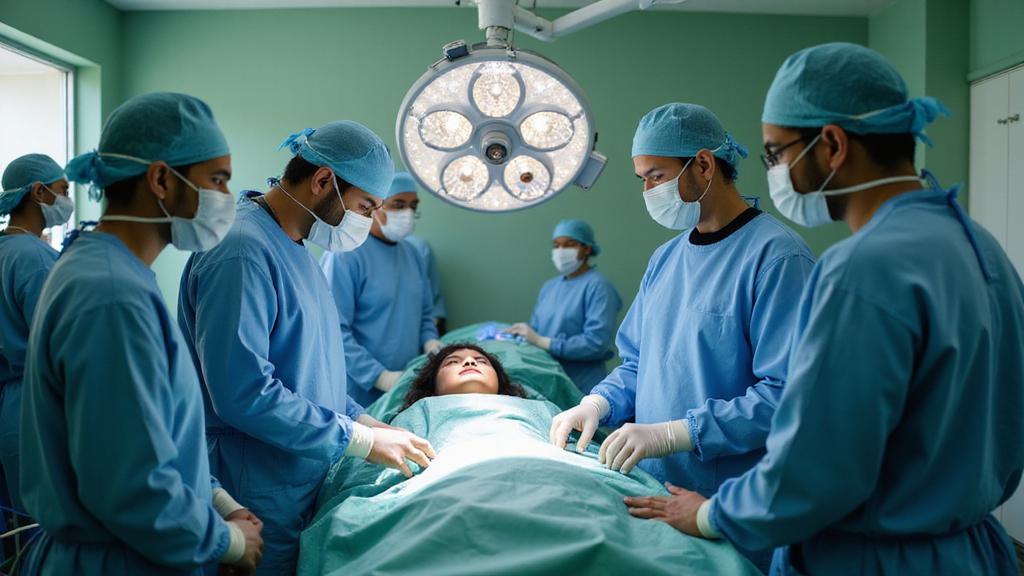
Laparoscopic cholecystectomy, a إجراء جراحي طفيف التوغل إلى remove the gallbladder, involves several key steps and preparations to secure a safe and effective treatment process. Before the surgery, a thorough تقييم المريض is conducted, including إجراءات التشخيص مثل الموجات فوق الصوتية, blood tests, and sometimes a CT scan or MRI to confirm gallbladder issues like gallstones or inflammation. تحضيرات ما قبل الجراحة include a detailed health evaluation, discussions about التخدير (typically general anesthesia), and instructions for fasting prior to the procedure. On the day of surgery, the patient is prepared in a specialized room and then moved to the operating theater, where they are positioned to provide best access to the gallbladder. During the procedure, شقوق صغيرة are made in the abdomen to insert a laparoscope—a thin tube with a camera and light—and specialized surgical tools. The abdomen is inflated with carbon dioxide to enhance visibility, the gallbladder is retracted for better access, blood vessels and ducts are dissected and clipped to prevent bleeding, and finally, the gallbladder is carefully removed through one of the incisions. This step-by-step approach minimizes trauma and promotes quicker recovery compared to traditional open surgery.
النتائج المتوقعة
Laparoscopic cholecystectomy is widely regarded as the معيار الذهب for treating cholelithiasis, offering patients significant benefits و نسبة نجاح عالية. Patients can expect a reduction in ألم ما بعد الجراحة, shorter hospital stays, and an earlier return to work compared to open surgery, contributing to improved quality of life with fewer symptomatic episodes and enhanced general well-being. The procedure boasts a low morbidity rate and a mortality rate typically under 2%, though risks such as bile duct injuries (0.3-0.8% of cases), vascular or intestinal injuries, biliary leaks, and cautery burns exist. Long-term effectiveness is high, with many patients experiencing sustained relief from gallstone-related symptoms and improved lifestyle. Success rates are impressive, though conversion to open surgery occurs in about 5-7% of cases, often due to surgical judgment rather than complications, potentially extending recovery time. With appropriate patient selection and surgical expertise, the procedure remains a safe and effective option for most individuals.
الرعاية اللاحقة للعلاج والتعافي
بعد الخضوع لـ استئصال المرارة بالمنظار, patients can expect a structured recovery process involving specific after-treatment care. إدارة الألم is essential, with medications such as paracetamol (up to 1g every four hours as needed), codeine phosphate (up to 30mg every eight hours as needed), and diclofenac sodium for eligible patients often prescribed to alleviate discomfort. مواعيد المتابعة are typically scheduled 6 to 8 weeks post-surgery to monitor healing, while community nurse support may be arranged for regular wound care. During the recovery phase, which generally spans 3 to 4 weeks for resuming normal activities and 6 to 8 weeks for physically demanding jobs, patients must take precautions such as تجنب رفع الأحمال الثقيلة or bending to prevent strain on abdominal muscles. Additionally, refraining from alcohol consumption, driving, or making important decisions for at least 24 hours post-surgery is advised, especially if on pain medication. Lifestyle changes include a gradual return to a normal diet to minimize nausea, staying well-hydrated, and avoiding immersion in water for at least two weeks to reduce infection risk, ensuring a smoother progression to full recovery.
المراجع
- https://www.blkmaxhospital.com/procedures/cholecystectomy-surgery
- https://pubmed.ncbi.nlm.nih.gov/11905858/
- https://www.apollohospitals.com/procedures/laparoscopic-cholecystectomy
- https://pmc.ncbi.nlm.nih.gov/articles/PMC3004104/
- https://www.drvpareek.com/laparoscopic-cholecystectomy-understanding-indication-and-techniques-of-surgery/
- https://www.ncbi.nlm.nih.gov/books/NBK448145/
- https://www.mayoclinic.org/tests-procedures/cholecystectomy/about/pac-20384818
- https://my.clevelandclinic.org/health/procedures/21614-gallbladder-removal
- https://jamanetwork.com/journals/jama/fullarticle/2679943
- https://www.hopkinsmedicine.org/health/treatment-tests-and-therapies/cholecystectomy